

Auto-Brewery Syndrome: Can Your Gut Make You Drunk Without Drinking?
A deep dive into gut fermentation syndrome: how internal fungal colonies produce intoxicating blood alcohol levels from everyday carbohydrates.
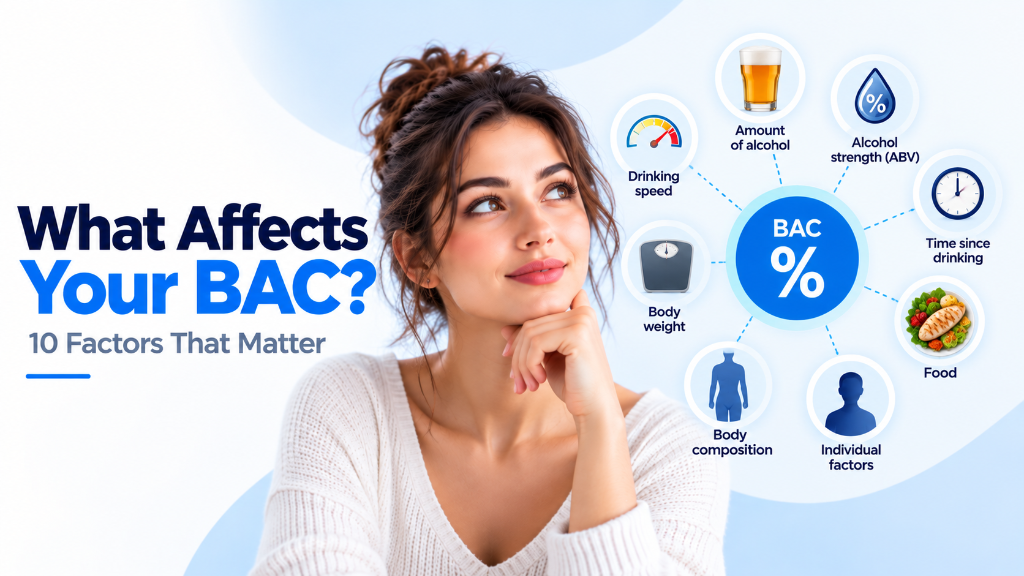
Derived from peer-reviewed clinical case studies published in the BMJ Open Gastroenterology, the Annals of Internal Medicine, and forensic toxicology standards for endogenous ethanol production.
What Is Auto-Brewery Syndrome and Can It Cause a High BAC? (Direct Answer)
Yes. Auto-Brewery Syndrome (ABS), medically designated as gut fermentation syndrome, is an extraordinary and debilitating clinical condition where a person's gastrointestinal tract acts as an internal micro-brewery, fermenting ingested dietary carbohydrates into intoxicating quantities of pure ethanol without drinking any alcoholic beverages.
In documented medical case reports, patients suffering from active ABS have registered spontaneous Blood Alcohol Concentrations (BAC) surging past 0.10%, 0.25%, and in extreme instances exceeding 0.35%—levels that routinely induce stupor, slurred speech, ataxia, and severe respiratory risk in non-tolerant individuals—simply after eating everyday meals containing bread, pasta, pizza, potatoes, or sweet soda.
Because ABS produces true biochemical ethanol that diffuses into the systemic circulation and pulmonary alveolar air, breathalyzers and evidentiary blood draws register genuine, legally punishable intoxication readings. To model standard physiological alcohol clearance and compare theoretical curves, explore our Toolwingz BAC Calculator.
The Microbiological Mechanism: How Gut Fungi Brew Ethanol
In a healthy human intestinal microbiome, trillions of commensal bacteria keep fungal colonies suppressed to trace, undetectable numbers. However, when the delicate mucosal equilibrium is disrupted by prolonged broad-spectrum antibiotic therapies, abdominal surgeries, or severe Crohn's disease, opportunistic fermenting organisms conquer the gut:
Primary Fungal and Bacterial Pathogens
Medical biopsies from diagnosed ABS patients reveal massive overgrowths of Saccharomyces cerevisiae (brewer's yeast), Candida albicans, Candida glabrata, and high-alcohol-producing strains of Klebsiella pneumoniae.
These yeast strains metabolize ingested glucose through the Embden-Meyerhof-Parnas glycolytic pathway. Instead of breaking down carbohydrates into harmless short-chain fatty acids, the fungal enzymes decarboxylate pyruvate into acetaldehyde and reduce it directly into ethyl alcohol (ethanol) and carbon dioxide gas.
The 4 Biological Phases of an Auto-Brewery Episode
How a harmless high-carbohydrate lunch turns into roadside arrest intoxication:
Carbohydrate Load
The individual eats a standard carbohydrate meal: a bagel, bowl of white rice, or pasta with sweet marinara sauce.
Microbial Fermentation
Within 60 to 120 minutes, hyper-proliferating intestinal yeast converts starches into pure ethanol and carbon dioxide.
Portal Overload
Liver ADH enzymes saturate. Unmetabolized ethanol rushes from the mesenteric venous system into the inferior vena cava and brain.
Systemic Intoxication
BAC rises to 0.12%–0.25%. The individual experiences brain fog, slurred speech, ataxia, and fails standardized field sobriety tests.
Auto-Brewery Syndrome vs. Normal Endogenous Ethanol Production
Understanding the physiological and clinical distinctions between baseline gut biology and pathological fermentation:
| Clinical Metric | Healthy Adult Physiology | Auto-Brewery Syndrome Patient |
|---|---|---|
| Baseline Endogenous BAC | 0.0001% to 0.003% (Traces) | 0.05% to 0.40% BAC |
| Dominant Flora | Bacteroidetes and Firmicutes bacteria | Saccharomyces cerevisiae & Candida overgrowth |
| Post-Meal Reaction | Normal insulin & glucose surge | Acute intoxication, slurred speech, hangover |
| Breathalyzer Response | Strict 0.00% BrAC | Registers true positive (often > 0.08% DUI limit) |
| Medical Management | None needed | Oral antifungals, strict ketogenic diet, probiotics |
Documented Clinical Case Scenarios: When Food Becomes Alcohol
Comparing a genuine clinical ABS case with standard beverage consumption:
Mark (46, Non-Drinker) After a Pasta Dinner
- Dietary Intake: Large plate of spaghetti, garlic bread, sweet iced tea.
- Ethanol Ingested: 0.0 grams (Zero alcohol drinks).
- Gastrointestinal Action: Intestinal S. cerevisiae converts ~80g starch into ethanol.
- Peak Roadside BAC: 0.14% BAC within 90 minutes.
- Result: Failed roadside walk-and-turn test, arrested for per se DUI despite complete abstinence.
David (46, Healthy) Drinking 4 Craft Beers
- Dietary Intake: 4 bottles of 12 oz craft IPA (6.5% ABV).
- Ethanol Ingested: 56 grams pure ethanol.
- Gastrointestinal Action: Absorbed normally across duodenum, metabolized at ~0.015%/hr.
- Peak Roadside BAC: 0.09% BAC at 60 minutes.
- Result: Predictable elimination curve, returning to 0.00% BAC in approximately 6 hours.
How Much Alcohol Can the Human Gut Actually Ferment?
In severe clinical cases, gut fermentation output rivals heavy social drinking:
2 to 3 Beers Equivalence
A single carbohydrate meal (100g carbs) can generate 28–42g of pure ethanol, equal to 2–3 standard 12 oz beers.
4 to 5 Glasses of Wine
During high-sugar binge episodes, continuous fermentation can produce over 70g of ethanol, matching an entire bottle of wine.
6+ Distilled Liquor Shots
Extreme clinical patients have recorded BACs exceeding 0.30%—equivalent to downing more than 6 shots of 80-proof whiskey.
The Legal Reality: Can ABS Defeat a DUI Charge in Court?
Because ABS creates genuine chemical ethanol, defendants charged with per se drunk driving cannot simply say “I didn't drink.” Courts require exhaustive forensic proof:
- Inpatient Carbohydrate Challenge: The individual must undergo 24-to-48-hour medical lock-up in an accredited hospital under strict nurse observation. After fasting, they are administered 200g of pure dextrose. Blood samples are drawn hourly to establish that BAC rises in the total absence of external alcohol.
- Stool Culture & Endoscopy: A gastroenterologist must culture intestinal fluid to identify fungal species (S. cerevisiae or Candida) sensitive to targeted antifungals.
- Legal Negligence Caveat: Once an individual has been formally diagnosed with ABS, driving after consuming known carbohydrate trigger foods can still be prosecuted as reckless endangerment or negligent vehicular operation.
Auto-Brewery Syndrome is real medical biochemistry—not a convenient excuse.
While real intestinal yeast overgrowth can produce genuine BAC spikes, it is an exceedingly rare medical disorder that requires antifungal eradication, strict dietary intervention, and rigorous clinical documentation.
Estimate Your BAC with the Toolwingz BAC Calculator
Calculate theoretical blood alcohol curves and explore how body weight, drink strength, and elapsed time influence clearance with 100% privacy.
Educational Disclaimer: Toolwingz BAC Calculator provides an estimate for informational purposes. It does not measure your actual BAC and cannot determine whether you are safe or legally permitted to drive.