

Sedatives, Sleeping Pills, and Alcohol: The Lethal GABA Synergy Explained
A toxicology guide to the fatal combination of alcohol, benzodiazepines, and sleeping pills: why dual allosteric GABA binding extinguishes the breathing reflex.
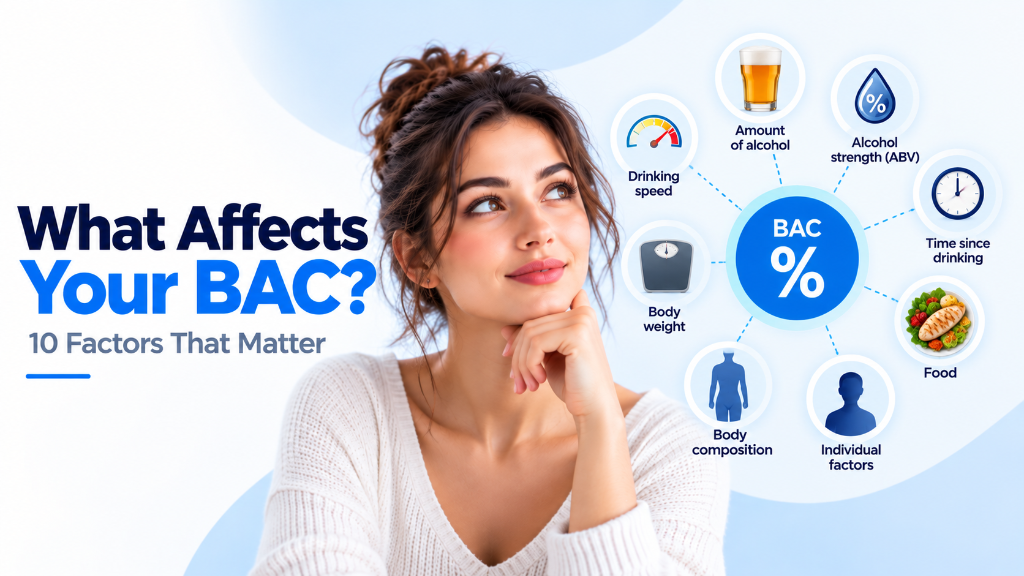
Derived from the mandatory FDA boxed warnings for sedative-hypnotic medications, emergency toxicology data from SAMHSA DAWN reports, and clinical pharmacology research on GABA-A receptor supramolecular complexes.
Why Is Mixing Alcohol with Sleeping Pills or Sedatives Lethal? (Direct Answer)
Combining alcohol with sedative-hypnotic medications—including **benzodiazepines** (Xanax, Valium, Ativan, Klonopin) or **non-benzodiazepine Z-drugs** (Ambien / zolpidem, Lunesta, Sonata)—is one of the most frequent causes of preventable, accidental fatal drug overdoses in the modern world.
This pharmacological combination is lethal because alcohol and sedatives do not simply add their depressant actions together (1 + 1 = 2); they produce a supra-additive synergistic multiplication (1 + 1 = 10). Both substances bind simultaneously to distinct allosteric regulatory sites on the brain's primary inhibitory receptor, **GABA-A**.
This dual binding locks open neuronal chloride channels, flooding brain neurons with negative ions and completely extinguishing the brainstem's automatic vegetative breathing reflex. A person taking a standard 10mg Ambien or 1mg Xanax after just two glasses of wine can slip into irreversible respiratory arrest, coma, and asphyxiate in their sleep. To track alcohol clearance times, explore our Toolwingz BAC Calculator.
The Molecular Trap: How Dual Allosteric Binding Shuts Down Breathing
The deadly chemistry taking place at the microscopic synapse level:
The Pentameric Chloride Channel Lock
The GABA-A receptor is a rosette-shaped protein complex spanning neuronal membranes with a central ion pore:
- Benzodiazepines & Z-Drugs: Bind to the alpha-gamma subunit interface of the receptor, increasing the frequency of chloride channel opening in response to GABA.
- Alcohol (Ethanol): Binds to hydrophobic transmembrane cavities on the delta and beta subunits, increasing the duration that the chloride channel stays open.
Sedative Drug Classes & Specific Overdose Vulnerabilities
Emergency department risk profile of major sedative and sleep aids mixed with ethanol:
| Medication Class | Examples | Synergy Level | Fatal Complications |
|---|---|---|---|
| Benzodiazepines | Alprazolam (Xanax), Clonazepam (Klonopin), Diazepam (Valium) | EXTREME | Fatal respiratory arrest, irreversible coma, sudden death in sleep. |
| Non-Benzodiazepine Z-Drugs | Zolpidem (Ambien), Eszopiclone (Lunesta), Zaleplon (Sonata) | EXTREME | Complex parasomnias (sleep-driving, sleep-cooking), profound amnesia, respiratory collapse. |
| Barbiturates | Phenobarbital, Butalbital (Fioricet) | LETHAL | Directly opens chloride channels without GABA; 100% fatal at minimal combinations. |
| Over-the-Counter Antihistamines | Diphenhydramine (Benadryl, ZzzQuil), Doxylamine (Unisom) | Moderate-High | Anticholinergic delirium, extreme motor impairment, tachycardia, dangerous urinary retention. |
Real-World Scenarios: The Deadly Nightcap Pill
Comparing the outcomes of two 30-year-old adults retiring to bed after an evening with friends:
Brandon (2 Beers + 10mg Ambien)
- Alcohol Consumed: 2 craft beers; bedtime BAC is only 0.045% (Mild buzz).
- Pill Taken: 10mg zolpidem (Ambien) to fall asleep faster.
- Synergistic Collapse: Alcohol and zolpidem lock chloride channels open across the brainstem.
- Outcome: Breathing drops to 3 breaths/min at 3:00 AM; severe hypoxia and fatal respiratory failure.
Daniel (2 Beers + Skips Medication)
- Alcohol Consumed: 2 craft beers; bedtime BAC is 0.045%.
- Decision: Skips Ambien prescription, drinks water, sleeps naturally.
- Brainstem Action: Pre-Bötzinger complex maintains regular 14 breaths/min throughout night.
- Outcome: Wakes safely in the morning with BAC fully metabolized to 0.00%.
Alcohol Dose & Sedative Synergy Lethality
How drinks scale into life-threatening interactions with benzodiazepines or sleep aids:
Tripled Sedation
Severe loss of coordination, sleep-walking, automated behaviors without conscious memory consolidation.
Profound Coma
Unresponsive to verbal or physical stimuli. Breathing slows below 8 breaths per minute; high aspiration risk.
Fatal Respiratory Arrest
Medullary respiratory center shuts down completely. 100% fatal without emergency paramedic intubation.
Signs of an Alcohol-Sedative Emergency (Call 911 Immediately)
If anyone has mixed alcohol with sleeping pills or anxiety medication and shows these signs, call 911 immediately:
- Unresponsiveness (cannot be awakened or does not react to a painful sternal rub)
- Breathing is slow, shallow, or characterized by irregular gasping sounds (“death rattle”)
- Skin, lips, or fingernail beds turn pale, gray, or blue (cyanosis)
- Pinpoint pupils or completely limp, flaccid muscles
Never take a sleeping pill or sedative after drinking alcohol.
Alcohol and sedatives produce a lethal multiplying effect that shuts down automatic breathing. If you drank tonight, skip your sleeping pill and sleep naturally.
Estimate Your BAC with the Toolwingz BAC Calculator
Calculate theoretical blood alcohol curves and explore how body weight, drink strength, and elapsed time influence clearance with 100% privacy.
Educational Disclaimer: Toolwingz BAC Calculator provides an estimate for informational purposes. It does not measure your actual BAC and cannot determine whether you are safe or legally permitted to drive.